


82nd COA Annual Meeting | 61st CORS Annual Meeting
2027 Program
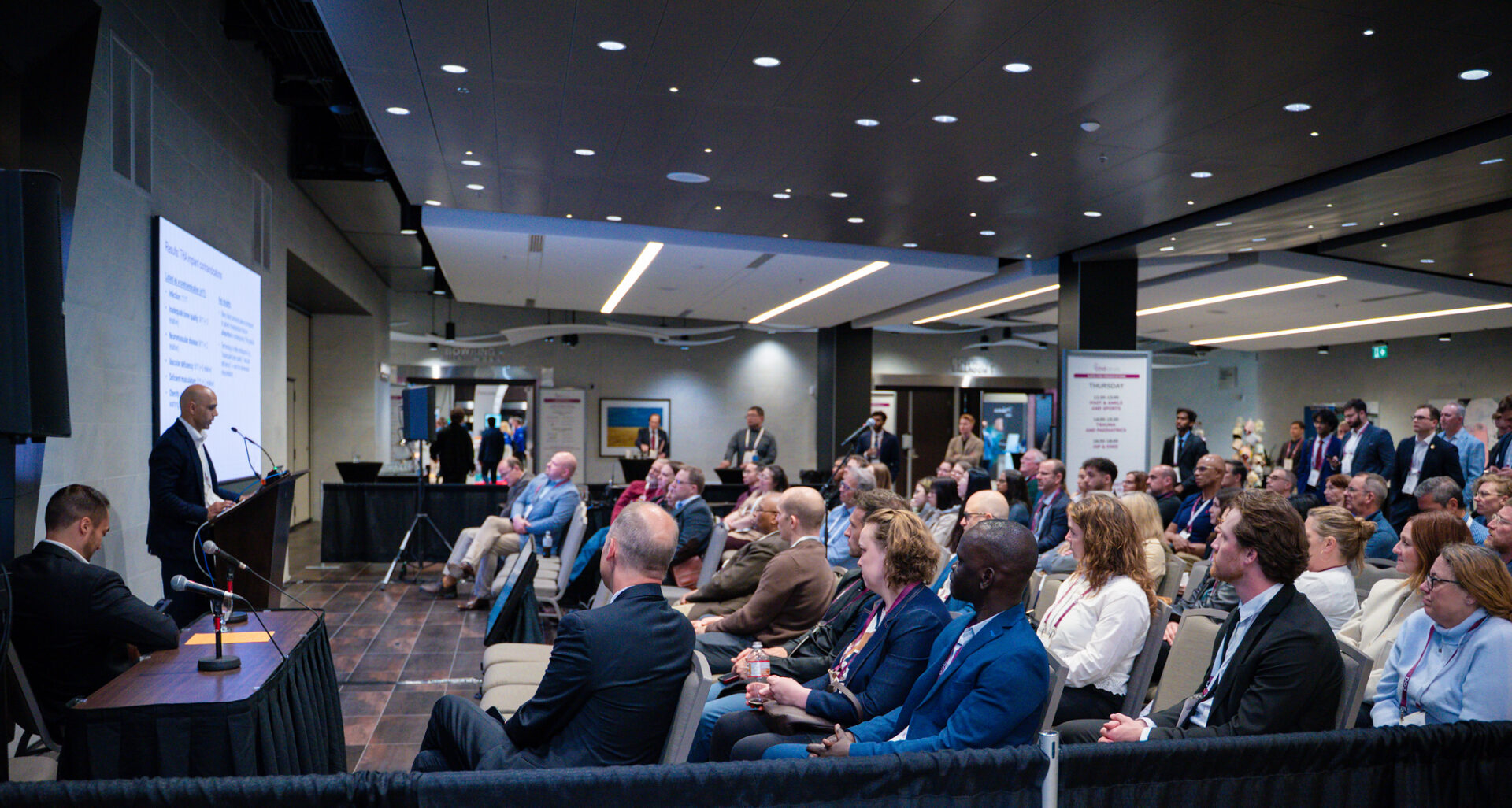
Chaired by Dr. Prism Schneider of the University of Calgary, the 2027 Annual Meeting will feature an exciting and comprehensive program spanning every orthopaedic subspecialty, showcasing pioneering research, innovative ideas, and the key topics driving the future of orthopaedic surgery and musculoskeletal care.
Guided by the theme of Strengthening Canada’s Future Through Advocacy, Innovation, and Supporting Our Emerging Leaders, the program will foster meaningful dialogue, practical learning, and collaboration to advance the future of orthopaedic care across Canada.
All times listed are in MT
Program-at-a-Glance (Subject to Change)

Wednesday, June 2:
- 8:00-16:00 – Labs & Pre-Meetings
- 16:00-17:00 – Meeting Kick-Off Session (including the Presidential Guest Lecture)
- 17:00-18:00 – Hot Topic Session (topic to be announced)
- 18:00-20:00 – COA Welcome Reception in the Exhibit Hall
- Evening – Past Presidents’ Dinner (by invitation)
Thursday, June 3:
- General and subspecialty scientific sessions
- Surgical demonstrations
- Fellowship fairs
- Poster tours
- Guest lectures
- Evening – CORA Residents’ Party
- … and more! Stay tuned for some exciting announcements!
Friday, June 4:
- General and subspecialty scientific sessions
- Surgical demonstrations
- Research meetings
- Fellowship fairs
- Poster tours
- Guest lectures
- COA Business Meeting
- Evening – COA Fun Night
- … and more! Stay tuned for some exciting announcements!
Saturday, June 5:
- Subspecialty Day – Program concludes at 15:45 MT
- Follow your subspecialty program track!
- Subspecialty business meetings
- … and more!
All times are listed in Mountain Time (Calgary, Alberta).
Program Principles
- Advance Interactive, Practice-Ready Learning
Prioritize immersive educational formats that strengthen clinical skills, decision-making, and real-world practice. Surgery demonstrations, physical exam teaching, hands-on workshops, and interactive digital tools will be considered to support high-impact learning and engagement. - Elevate Early-Career Engagement, Visibility, and Leadership Pathways
Expand speaking opportunities, panel participation, and leadership development avenues for early-career surgeons. Programming will emphasize collegial mentorship, and professionalism. - Showcase Regional Excellence and Innovation
Highlight regional and local clinical strengths, research achievements, and emerging models of care — including new training pathways, institutional innovations, and collaborative networks — to celebrate provincial leadership and generate national discussion. - Address Health-System Change Through Advocacy, Policy Literacy, and National Relevance
Explore Canada’s evolving health-care restructuring with a focus on national implications for practice, access, and workforce planning. Discussions will incorporate emerging work on defining an FTE to support informed advocacy and long-term resource planning across Canada.
Overall Learning Objectives
At the end of this conference, participants will be able to:
- Apply current clinical evidence, emerging technologies, and innovations, including artificial intelligence, to enhance diagnostic reasoning, surgical decision-making, and patient outcomes across orthopaedic subspecialties.
- Integrate advances in musculoskeletal basic science and translational research into evidence-informed clinical practice and future research initiatives.
- Utilize practical skills, interactive learning experiences, and emerging educational tools to strengthen clinical competence and address real-world challenges in orthopaedic surgery.
- Develop patient-centred treatment strategies that incorporate shared decision-making, balance risks and benefits, and align care with individual patient goals, values, and expectations.
- Foster effective collaboration, mentorship, and professional development by engaging with peers, interdisciplinary teams, and emerging leaders within the national and international orthopaedic community.
- Critically evaluate novel orthopaedic products, technologies, models of care, and service innovations, assessing their potential impact on clinical practice, education, and health system performance.
- Recognize and disseminate regional and institutional innovations, research achievements, and collaborative approaches that can inform and inspire improvements in orthopaedic care across Canada.
- Examine current health policy, workforce, and health-system challenges affecting orthopaedic practice, and identify opportunities for advocacy, resource planning, and system-level improvement.
- Apply principles of physician wellness, resilience, quality improvement, and sustainable practice to promote professional fulfilment and optimize patient care throughout their careers.
Commitment to Accredited, Equitable, and Inclusive Education
The development of educational content for the Annual Meeting is governed by the National Standard for Support of Accredited CPD Activities established by the Royal College of Physicians and Surgeons of Canada. This Standard provides a rigorous framework to ensure that all accredited continuing professional development (CPD) activities are designed and delivered with integrity, scientific validity, and independence from commercial influence. By adhering to these principles, the planning committee promotes transparency, equitable faculty engagement, and the delivery of high-quality, evidence-informed education that meets the diverse needs of healthcare professionals.
Consistent with the COA’s commitment to diversity, equity, inclusion, and belonging, the Annual Meeting program aims to demonstrate an understanding of how these principles impact orthopaedic training, workforce development, patient access, and clinical outcomes. Educational activities further seek to identify opportunities to advance equity within the profession and promote inclusive excellence across orthopaedic practice.
The COA is committed to offering quality accredited programming within a safe and respectful learning environment. Presentation format, scheduling, and inclusion in the final program are determined at the Association’s discretion. All activities will comply with applicable federal and provincial public health directives in effect at the time of the meeting.
2027 Scientific Planning Committee – Conflict of Interest Disclosures
- Aaron Bois: Research Grant: McCaig Institute for Bone & Joint Health, Uni of Calgary ; Education/scientific relationship: Editor of the Textbook “The Shoulder” (Elsevier)
- Bernard Burgesson: None.
- Chloe Cadieux: Pending.
- Ryan Degen: Pending.
- Ujash Sheth: None.
- Eva Gusnowski: Consultant work for medical devices – Synthes, ConMed
- Mallika Makkar: None.
- Matthew Menon: Education consultant for Stryker Canada
- Prism Schneider: Consultant for Stryker, Primary Investigator for Johnson & Johnson, Primary Investigator for Smith & Nephew
- Laura Sims: None.
- Kevin Smit: Speaker for Highridge; Institutional research support from Highridge, Medtronics, and Ascendis
- David Wilson: None.
- Jesse Wolfstadt: Pending.