December 2025 Edition — COA BulletinHonouring Legacy
Celebrating the history and evolution of programs, procedures, and pioneers. Reflect on the contributions that laid the foundation for today’s orthopaedic excellence.
80 Years, One COA: A Visual Journey Through Time
Cynthia Vezina
CEO, Canadian Orthopaedic Association
Contributor, COA Bulletin
As the COA marks its 80th anniversary, we reflect on eight decades of remarkable milestones and visionary leadership. At the 2025 Annual Meeting in Vancouver, this historic occasion was commemorated with a striking 10’x20’ visual installation that honoured every COA President, travelling fellow, award recipient, and Annual Meeting location since our founding in 1945. The display also featured a series of historical vignettes that illustrate the COA’s enduring impact on orthopaedic care, education, research, and excellence.
On display in the Exhibit Hall throughout the meeting, the tribute wall became a vibrant focal point – inviting attendees to gather, take photos, reminisce, learn, and share stories about the legacy they’ve helped shape over the past eight decades.
We’ve highlighted some of the defining moments featured on the tribute wall and summarized them here, inviting you to take a closer look at the leaders and milestones that have shaped the COA’s legacy and its contributions to Canada’s orthopaedic community.
1945–1955 – Laying the foundation for a united national orthopaedic association
Key milestones included the inaugural Annual Meeting held in Montreal in 1945 with 24 members in attendance, official incorporation, the launch of the ABC Travelling Fellowship, and the introduction of the COA Crest and Seal. Her Majesty Queen Elizabeth’s presentation of the Jewels of Office to the Carousel orthopaedic societies established a lasting symbol of tradition, still worn by the COA President today. The Presidential Guest Lecture was also introduced, marking the beginning of a valued tradition.
1956–1965 – Broadening scope and enhancing educational offerings
Audiovisual presentations were introduced to enrich the Annual Meeting experience, and the growing volume of abstract submissions led to a formal review and selection process. The Canadian Orthopaedic Foundation (COF) and the Canadian Orthopaedic Research Society (CORS) were established to support research and education, further strengthening the COA’s presence across Canada and internationally.
1966–1975 – Growth in academic distinction and international engagement
CORS held its first Annual Meeting, and the J. Édouard Samson Award was introduced to honour excellence in research. The R.I. Harris Memorial Lecture debuted, and the NATF Fellowship launched its first tour of orthopaedic centres across Canada and the U.S., fostering cross-border collaboration.
1976–1985 – Expansion of outreach and accessibility
Robert B. Salter designed a coat of arms (the Salter Crest) to symbolize the Association’s dedication to orthopaedic care and research. CORS awarded its first Founders’ Medal, and the COA Bulletin was launched, providing a vital communication platform for members. Membership categories were expanded to include residents and international surgeons, and the Anica Bitenc Visiting Fellowship was introduced to further global engagement.
1986–1995 – Increasing role in national health care discussions
Paul Wright and the Committee on Orthopaedic Practice and Economics published a pivotal position statement addressing wrong-sided surgeries. The inaugural Macnab Lecture was delivered, and the Canadian Orthopaedic Trauma Society (COTS) was formed – the first orthopaedic subspecialty society in Canada.
1996–2005 – Strengthening collaboration and advocacy
The COA launched the Canada in Motion national advocacy campaign in partnership with the Arthritis Society and the COF. In a landmark moment, the COA and the Canadian Medical Association (CMA) acted as intervenors in the Supreme Court’s Chaoulli case, reinforcing the Association’s role in national health policy. Strengthening professional ties, the COA partnered with affiliate organizations to host joint Annual Meetings and supported the founding of the Canadian Orthopaedic Foot & Ankle Society (COFAS), expanding subspecialty representation. In an unexpected twist, the Annual Meeting was cancelled for the first time due to the SARS pandemic, and rescheduled to another city later that year.
2006–2015 – Subspecialty development and modernization
The COA supported the formation of new societies, including the Canadian Orthopaedic Oncology Society (CANOOS), the Canadian Orthopaedic Paediatric Society (CPOS), and the Canadian Arthroplasty Society (CAS). The COA Bulletin transitioned to a paperless format, embracing digital communication, while the COA expanded its awards and recognition programs to further honour excellence in the profession.
2016–2025 – Greatest expansion, transformation, and test of resilience
The Association led bold initiatives, including the Fast Track Care national advocacy campaign through the Mobilize Canada coalition, and introduced Canadian Orthopaedic Care Day to raise public and government awareness. In response to the COVID-19 pandemic, the COA adapted swiftly – hosting its first virtual Annual Meeting and uniting the orthopaedic community through ReCOAnnect virtual town hall sessions across the country.
Subspecialty representation grew significantly with the formation of new societies: the Canadian Orthopaedic Paediatric Society (CPOS), the Canadian Shoulder and Elbow Society (CSES), the Arthroscopy Association of Canada (AAC), the Wrist and Elbow Society of Canada (WECAN), and the Canadian Orthopaedic Limb Lengthening Association (COLLA).
The COA has also embraced leadership renewal. The Emerging Leaders Program welcomed its first cohort, supporting the development of future orthopaedic leaders. The Association also inaugurated its first female President, reflecting a commitment to inclusivity and progress. A refreshed logo and corporate identity were unveiled, the COA Bulletin was relaunched in a dynamic online multimedia format, and the Ortho Insider podcast was introduced to engage members in new and accessible ways
In 80 years, the COA has evolved into the national voice for orthopaedic care in Canada – advocating for its members, setting practice standards, collaborating with affiliate organizations, and supporting education and professional development.
To all past and present members, volunteers, and supporters – thank you for your invaluable contributions. Your dedication has built a legacy of excellence and leadership that continues to inspire future generations.
See the Tribute Wall in Action at the 2025 Annual Meeting
Inaugural COF Hall of Fame Gala: A Tribute to Orthopaedic Excellence and Research
Editors Note:
On April 10, 2026, Dr. Veronica Wadey (University of Toronto) and members of the orthopaedic community are holding a gala event in support of the Canadian Orthopaedic Foundation (COF) at the Royal York Hotel in Toronto. The evening honours COA Past President Dr. James Waddell, celebrating his outstanding contributions to orthopaedic education and research, and his induction into the COF Hall of Fame. We spoke with Dr. Wadey about the significance of this event, Dr. Waddell’s enduring legacy, and how the gala will support orthopaedic research, education, and patient care across Canada. – Ed

Dr. James P. Waddell will be recognized for his contributions to orthopaedic education and research at the Bone Soirée Gala on Friday, April 10, 2026.
Q: How was Dr. James P. Waddell selected as one of this year’s Hall of Fame inductees, and what does his legacy mean to the Canadian orthopaedic community?
A: Dr. Waddell’s selection as one of this year’s Hall of Fame inductees reflects his remarkable achievements across multiple areas:
- Professional and scientific contributions – His groundbreaking work has advanced the field
- Local, national and global impact – He’s made a difference at every level
- Leadership, education & innovation – He’s taught, mentored, and pioneered new approaches
- Humanitarian and charitable work – He’s given back to those in need
- Philanthropy & service – He’s supported causes that matter
- Role model & inspiration – He’s shown others what’s possible
But perhaps Dr. Waddell’s most enduring legacy is simpler than any list can capture: it’s the lives he’s touched. Through his compassionate patient care, his innovative surgical techniques, and his dedication to teaching the next generation of healthcare providers, Dr. Waddell has shaped how we care for our community—and will continue to do so for years to come.
Q: How does the gala support Orthopaedic research, education and patient care in Canada, and what outcomes are you hoping to achieve through this event?
A: The Canadian Orthopaedic Foundation (COF) funds up to $200,000 annually to advance musculoskeletal research, promote education, and improve care and patient outcomes. As the philanthropic arm supporting the scientific, educational, and patient-care work of orthopaedics in Canada, the COF plays a vital role in our healthcare community.
This Inaugural Hall of Fame Celebration is designed to honour three remarkable Canadians who embody what the COF stands for:
- A surgeon whose impact spans surgical excellence, academic achievement, leadership, and philanthropy
- A builder who has devoted their career to advancing education and patient care
- A patron and athlete who experienced orthopaedic care firsthand and now champions athletic conditioning and injury prevention
It’s also meant to celebrate our researchers and recognize how their achievements and grants have strengthened Canadian orthopaedics, while bringing our community together for a meaningful evening of connection and celebration. Ultimately, the goal is to raise critical funds to support the COF’s mission of achieving excellence in bone and joint health and mobility for all Canadians, focusing on three key areas:
- Advancing musculoskeletal research
- Promoting education and training
- Improving patient care
During this event, we hope to raise funds that will directly support groundbreaking research projects, train the next generation of orthopaedic professionals, and improve patient outcomes across Canada.
Q: Can you share a moment or story that captures Dr. Waddell’s influence—either personally or within the broader field of orthopaedics?
A: Dr. Waddell has been a tireless champion behind the scenes, working to promote and support learners and faculty alike. He’s built a strong, vibrant community within orthopaedic surgery through his leadership, mentorship, and dedication to the profession.
There are many stories of the impact he’s had on the lives of others navigating their careers in orthopaedics… but we’ll save the specifics to share at the event!

Click to download PDF flyer
Q: What can we expect to experience at next year’s inaugural gala on Friday, April 10?
A: You can expect a truly special evening! The Inaugural Gala is our chance to celebrate those who’ve shaped orthopaedic surgery in Canada, while also recognizing the next generation who will carry the torch forward in research, innovation, and leadership. Beyond the celebration, it’s about connecting with colleagues, sharing ideas, and strengthening our community across Canada.
Live entertainment, great food, dancing and so many surprises are in store. Our guests will have the chance to bid on and win amazing trips, experiences, and silent auction items—all while supporting a great cause.
This is your opportunity to thank those who’ve shaped our field, while enjoying a memorable evening with friends and colleagues.
Details can be found at: www.canadianorthopaedicgala.ca
Remembering Dr. Marvin Tile
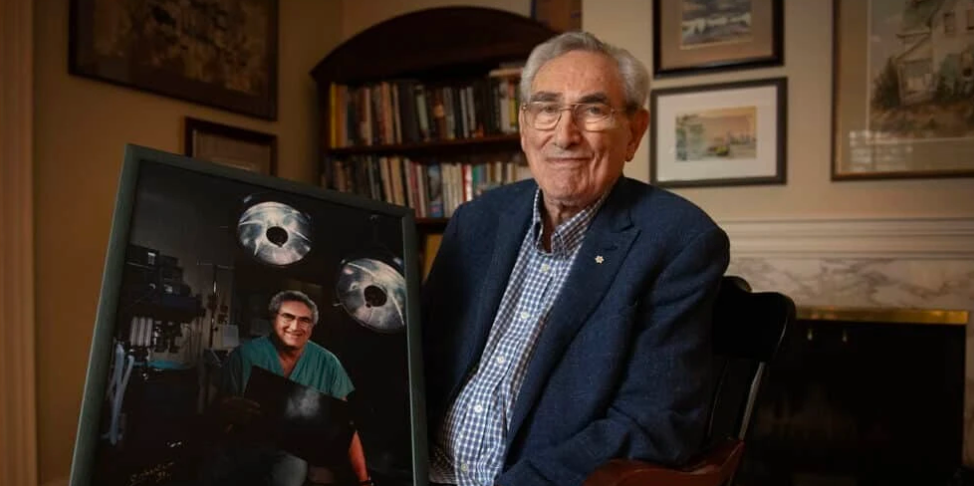
Marvin Tile, C.M., MD, B.Sc. (Med), FRCSC
Albert Yee, MD, FRCSC
Toronto, ON
The Canadian Orthopaedic Association (COA) and our global community lost a spirited leader and titan of our specialty. Dr. Marvin Tile’s vision and steadfast passion transformed the way in which we deliver and educate health professionals to provide the best care for our patients. In this prelude, I reflect fondly upon my privilege and time spent with him. I, like many other individuals that he has profoundly impacted, am extremely fortunate to benefit from his mentorship, collaboration, and support towards advancing orthopaedic care.
Dr. Tile shared generously and very personally from his lived experiences. The astute audience benefited from his wisdom which spanned well beyond orthopaedic surgery into the many aspects of our collective journey through life. Beyond the regular anecdotes of academic medicine that he shared, he would often pause and reflect upon lessons learned from past mistakes. He respected the importance of culture, family, and our mutual respect for one another as human beings. He could hold an audience for hours. With his lovely and energetic wife Esther, the two were inseparable. They were the life of any professional or social gathering. He spoke often and fondly about his children, grandchildren, and great grandchildren. You were consistently amazed by his memory and his ability to share vivid recollections as if it were yesterday. Many of us reflect upon how fortunate we all would be to be able to carry even a fraction of his memory and energy into our twilight years. An equally prolific writer and beyond his numerous academic contributions, his regular e-mail blogs were introspective and frequently poetic. Since his passing, I find myself opening up the periodic one in peaceful reflection.
His support for you and our orthopaedic community was unwavering. Despite several health issues affecting his physical function in recent years, his brilliance continued to dominate conversations. He continued to contribute academically, support philanthropic endeavours, and still mentored many of us with our orthopaedic initiatives. He advocated for us, was proud of his heritage, and spoke often about a just culture and world. A few of us at Sunnybrook will not forget a recent e-mail he sent to our project team. Sent just after being admitted to a higher-level acuity hospital bed, he continued his conscientious communications informing us that he was not in condition to join our biweekly Zoom meeting where we would discuss progress on a hip fracture surgical team performance project that he helped steward. He was a mindful and tremendous ambassador for us in orthopaedic surgery.
Beyond his lifelong contributions to orthopaedic trauma, the AO (Arbeitsgemeinschaft für Osteosynthesefragen), in philanthropy, and in mentoring the next generation of surgeons and Department Chairs globally, he was deeply rooted on his cultural past as a Jewish and Polish immigrant to Canada. He shared this important history in his biography that he wrote with Esther. He recognized strength in diversity. I remember him describing his personal story of discrimination and segregation while training in medicine and surgery in Toronto. Making you reflecting on the decades, this time was not so long ago.
I recently had the privilege of working with him on a Medical Discussion Paper focused on the low back that was catered to tribunal members tasked with adjudicating work injury claims. He approached this project like a thesis dissertation. He researched, kept us organized, on timeline, and was genuinely interested in how the field was evolving, which I thoroughly enjoyed discussing with him. I also benefitted from hearing him describe his personal experiences interacting with European/Scandinavian academic thought-leaders of the time, and what the state of the spine surgery field was like during the 1970’s and 80’s. It placed into greater perspective the literature I had read about during the time of my own learning and interest in the field. Among his vast distinctions including being appointed to the Order of Canada, representing us as Past-President of the COA, and his reputation as a world authority in pelvis, acetabular and hip joint reconstruction, it may be lesser known that he was also a Past-President of the International Society for the Study of the Lumbar Spine.
At the University of Toronto on September 26th, the Division of Orthopaedic Surgery held our first city-wide Grand Rounds of the academic year in honour of Dr. Tile. Our university Divisional Chair Dr. Peter Ferguson and I are indebted to everyone who was able to join our event where Drs. Hans Kreder and David Stephen shared many of Dr. Tile’s seminal contributions to our field. Their presentations were complimented by numerous memorable photographs and stories archived over the years. Dr. Tile influenced the careers of many orthopaedic surgeons in the city, the country, and around the world. Our local faculty and numerous international academic orthopaedic leaders and fellow alum that joined our hybrid event had the opportunity to fondly reflect, share, and pay tribute to his contributions with his family in attendance.
When Dr. Tile had his mind set on the right path (e.g. his journey in establishing Canada’s 1st Regional Trauma Unit at Sunnybrook in 1976), he was steadfast and tenacious in realizing the vision. Dr. Kreder described it the best during his tribute: there were three basic rules Dr. Tile espoused. If you have an issue to resolve with someone, you make an in-person appointment to speak with that individual. If that doesn’t work, you pick up the phone and call them [don’t e-mail]. If step two does not work, repeat steps one. and two!
Our deepest sympathies to Esther, Gary, Stephen, Deborah, Andrew and his entire family. Rest assured, his legacy and impact will continue to resonate for years.
In Memoriam – Dr. Marvin Tile
The following tribute by Drs. Albert Yee and Peter Ferguson was originally posted on August 18, 2025 by the University of Toronto, Division of Orthopaedics
Dear Colleagues,
It is with profound sadness that we share with you the passing of Dr. Marvin Tile, at the age of 92, on August 18, 2025.
As a Professor Emeritus in the Department of Surgery, Temerty Faculty of Medicine, Dr. Tile was a world authority on orthopaedic trauma, in particular in the treatment of pelvic and acetabular fractures. He was instrumental in the establishment of Canada’s first regional trauma centre at Sunnybrook in 1976 with the hospital remaining Canada’s largest trauma centre today. He has trained several generations of orthopaedic surgeons with many specialized surgeons subsequently becoming hospital and university Department Chairs at their respective institutions all over the world. As a key figure who supported and led the international growth and diversification of surgical education in the AO Foundation (Association of the Study of Internal Fixation AO/ASIF), Dr. Tile’s seminal textbooks on the “Fractures of the Pelvis and Acetabulum” (now in its 4th edition) and “The Rationale of Operative Fracture Care, Schatzker and Tile” remain foundational reading and reference for surgical trainees as well as orthopaedic faculty alike.
Marvin Tile was born in Toronto where he attended Harbord Collegiate and the University of Toronto, graduating with B.Sc. (Medicine) and M.D. degrees in 1957. In 1963, he became a Fellow of the Royal College of Physicians & Surgeons of Canada. In 1965, as a Detweiler Traveling Fellow of the Royal College of Physicians and Surgeons of Canada, he visited major orthopaedic centres in England and Europe. Returning to Canada, he joined the staff of St. Joseph’s Hospital, working with his mentor Dr. George Pennal. He was appointed to staff at Sunnybrook Hospital in 1966, became Head of the Division of Orthopaedic Surgery in 1971, and from 1985 to 1996 he served as Surgeon-in-Chief.
Dr. Tile was named a member of the Order of Canada in 2009 for his contributions as a surgeon, educator, and innovator. He received numerous prestigious awards including the Queen Elizabeth II Golden Jubilee Medal. His skill and care touched many lives which led to his philanthropic involvement to further academic surgery through AO and the establishment of the Endowed Marvin Tile Chair in Orthopaedic Surgery at Sunnybrook. His numerous professional leadership roles have included:
- Surgeon-in-Chief, Sunnybrook Heath Sciences Centre
- Chair, Examining Board in Orthopaedic Surgery, Royal College of Surgeons of Canada
- Founding President, Ontario Orthopaedic Association
- President, Canadian Orthopaedic Association
- Chair, Sunnybrook Foundation
- Patron, Canadian Orthopaedic Foundation
- President, International Society for Surgery of the Lumbar Spine
- President, AO/ASIF Foundation, an international foundation dedicated to research and education in trauma and fractures, with headquarters in Switzerland
Dr. Tile was also deeply committed to his family and passionate in his reflections about the cultural past and present. He shared his lived experiences publishing his autobiography ‘Severed Roots’ in 2010, which he wrote with contributions by his lifelong partner Esther following a powerful introspection into his ancestral homeland while traveling to Poland in 2006. He promoted diversity and inclusion, combated antisemitism, racism, and violence. He broadly shared experiences at lecture discussions held by the University of Toronto’s Temerty Faculty of Medicine and related topics were featured by Visiting Professors in their lectures delivered as part of our university’s Department of Surgery annual Tile Lecture in Trauma.
In recent years, Dr. Tile continued to mentor clinicians, scientists, and trainees through a Wyss Medical Foundation supported project focusing on enhancing surgical team performance in fracture care. He continued to contribute towards continuing medical education writing also several discussion papers to support Ontario’s Workplace Safety and Insurance Appeals Tribunal. He was an inaugural inductee into the Toronto Orthopaedic Hall of Fame in 2017. He was intensely committed to the University Division, and even during the last year was a regular attendee via zoom at University Wide Orthopaedic Rounds. Dr. Tile’s immense influence continues to be reflected by the number of faculty within University of Toronto, across Canada, and around the world that he trained. He was a titan in the orthopaedic community, and his loss will resonate throughout our specialty.
Dr. Tile is survived by his wife, Esther, and the couple’s four children: Gary, Stephen, Andrew and Debbie, as well as many grandchildren and great-grandchildren.
Tribute donations can be directed to the Dr. Marvin Tile Chair in Orthopaedic Surgery.
All the best,
Albert Yee and Peter Ferguson
-
Dr. Tile was COA President from 1991-1992
-
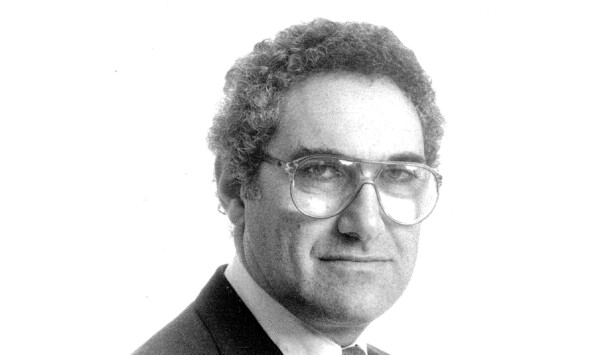
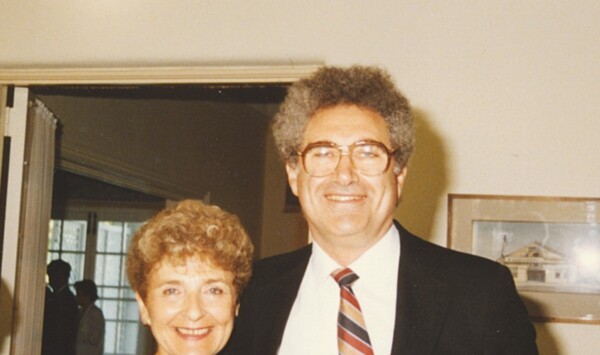
Dr. Marvin and Esther Tile were regular attendees of the Annual Meeting throughout his entire career
-
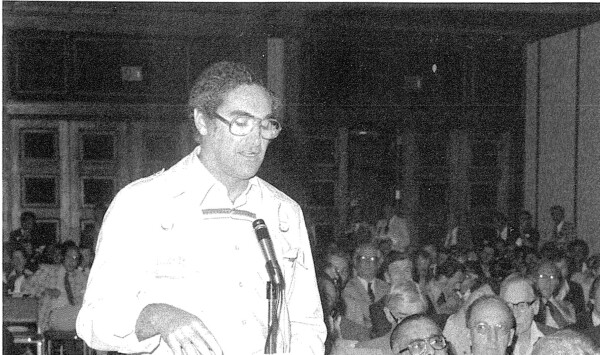
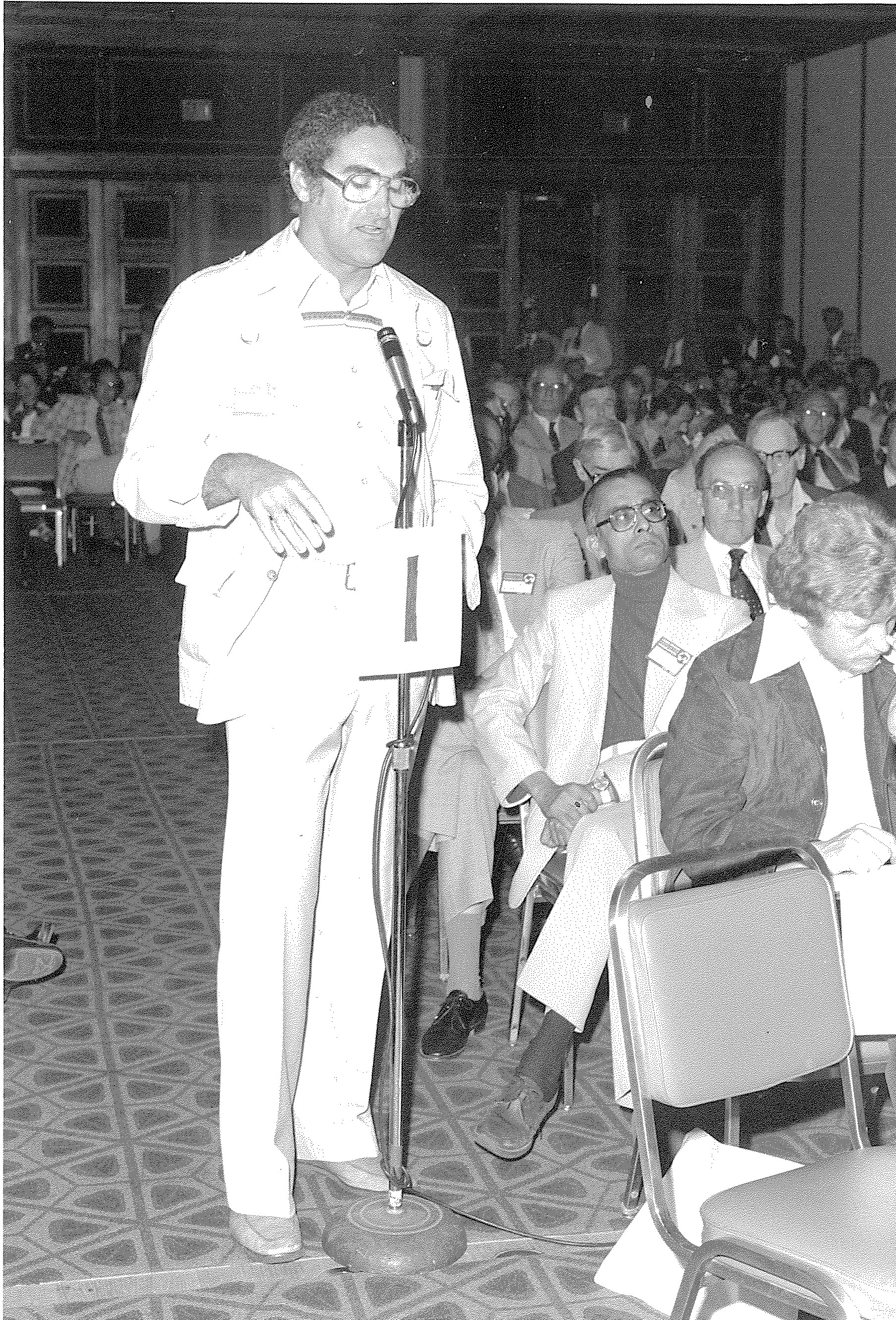
Dr. Tile at the 1978 COA Annual Meeting. We wish we knew which question he was asking the speaker at that time!